
Accessibility Tools

Whynter LLC

Whynter TBR-185SR Portable 1.8 cu. ft. Tool Box Refrigerator with 2 Drawers and Lock

SKU TBR-185SR Categories ,

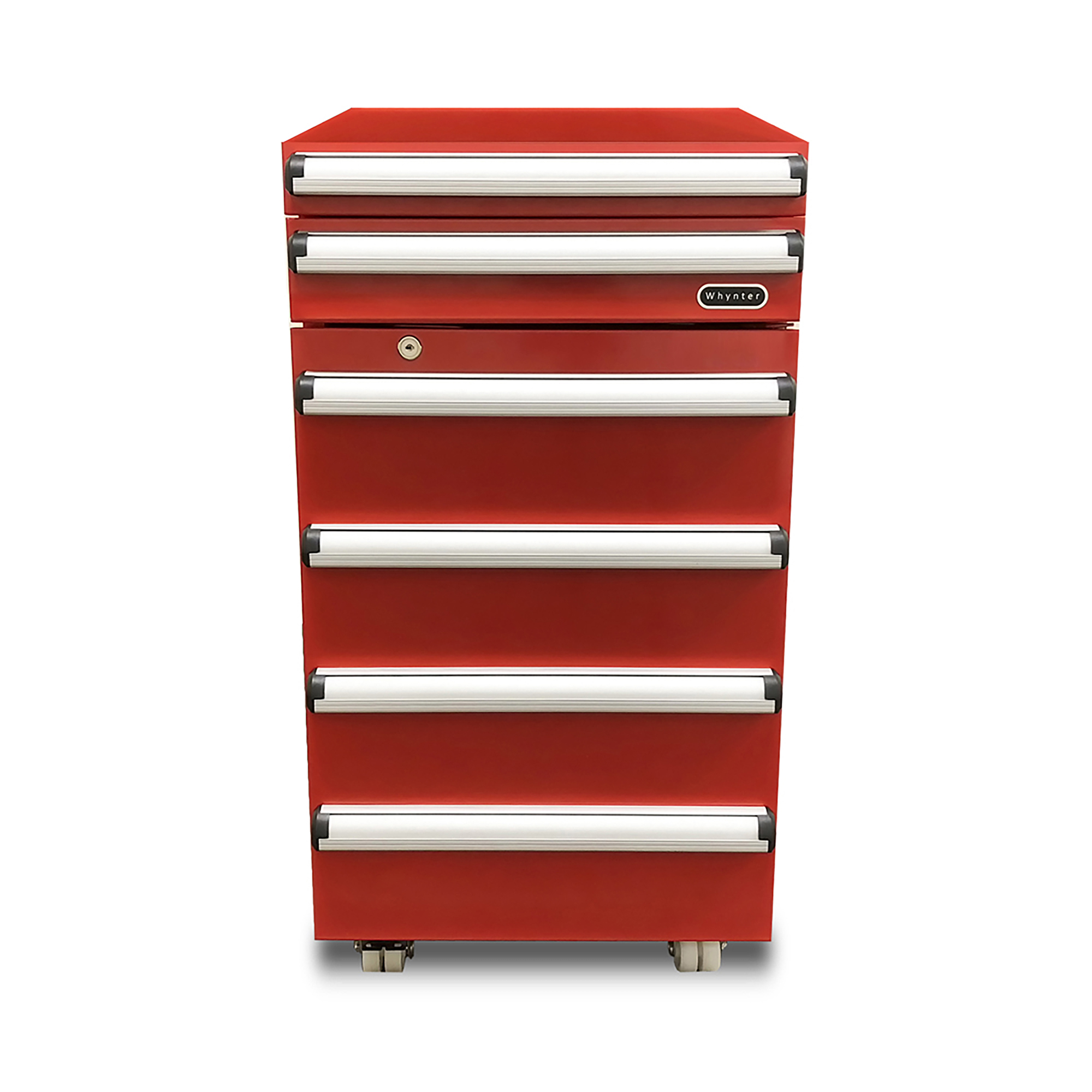
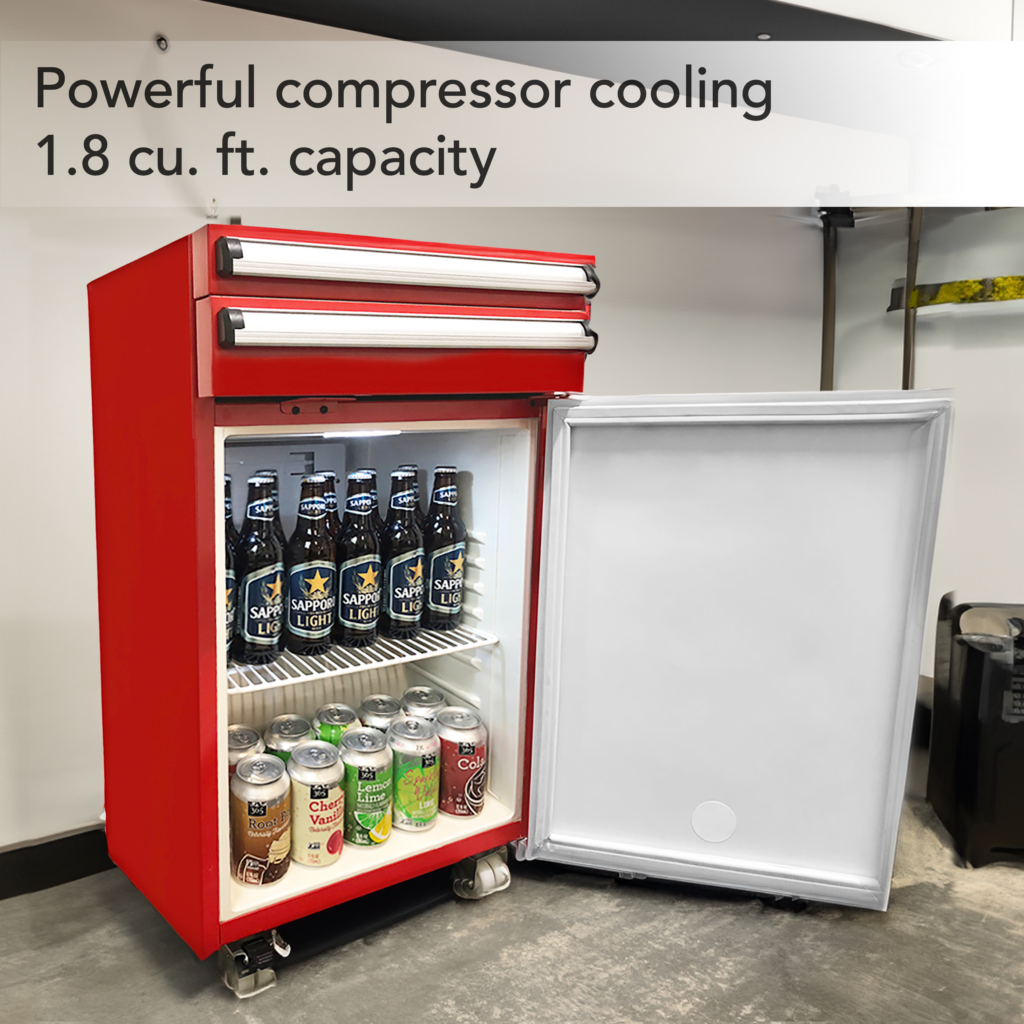
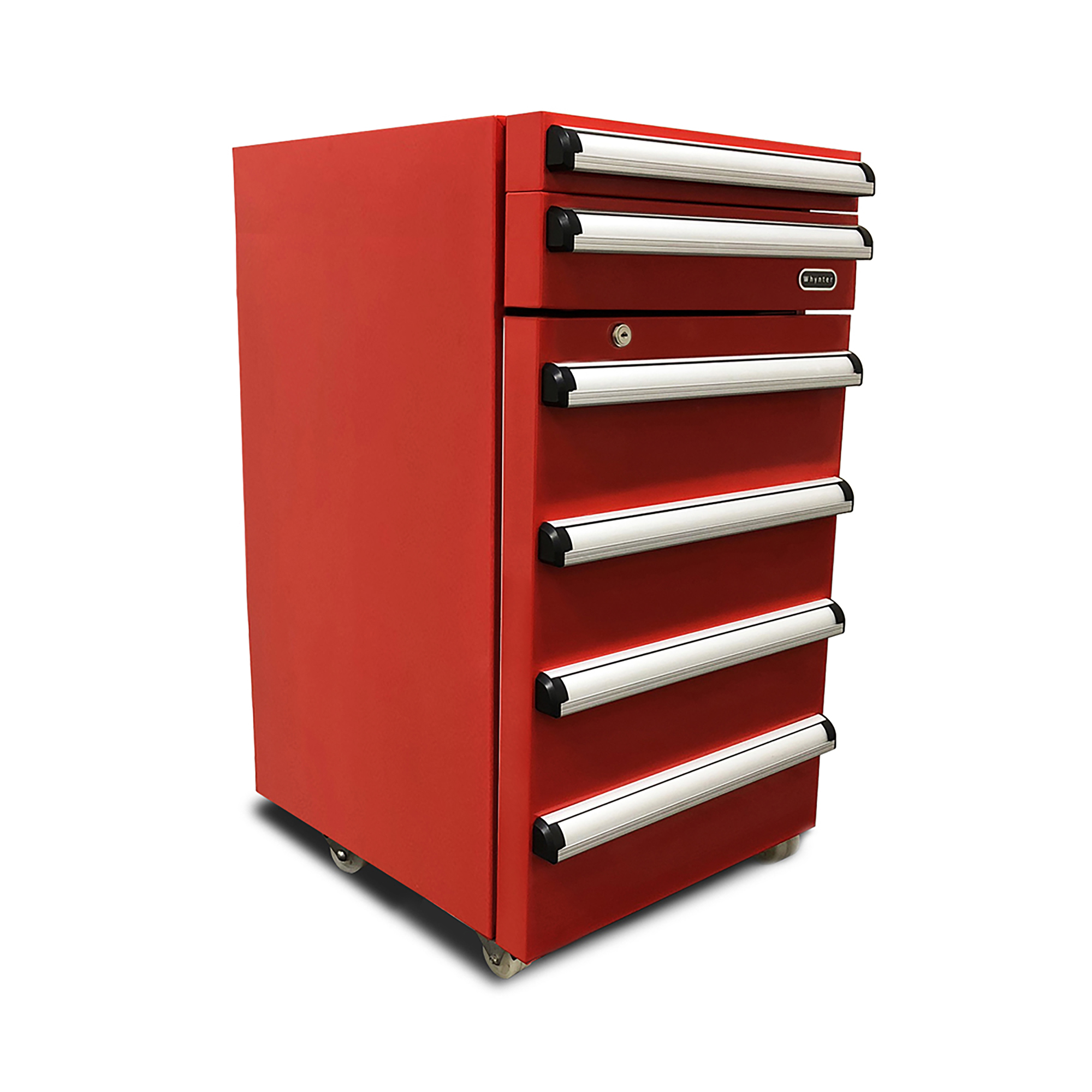
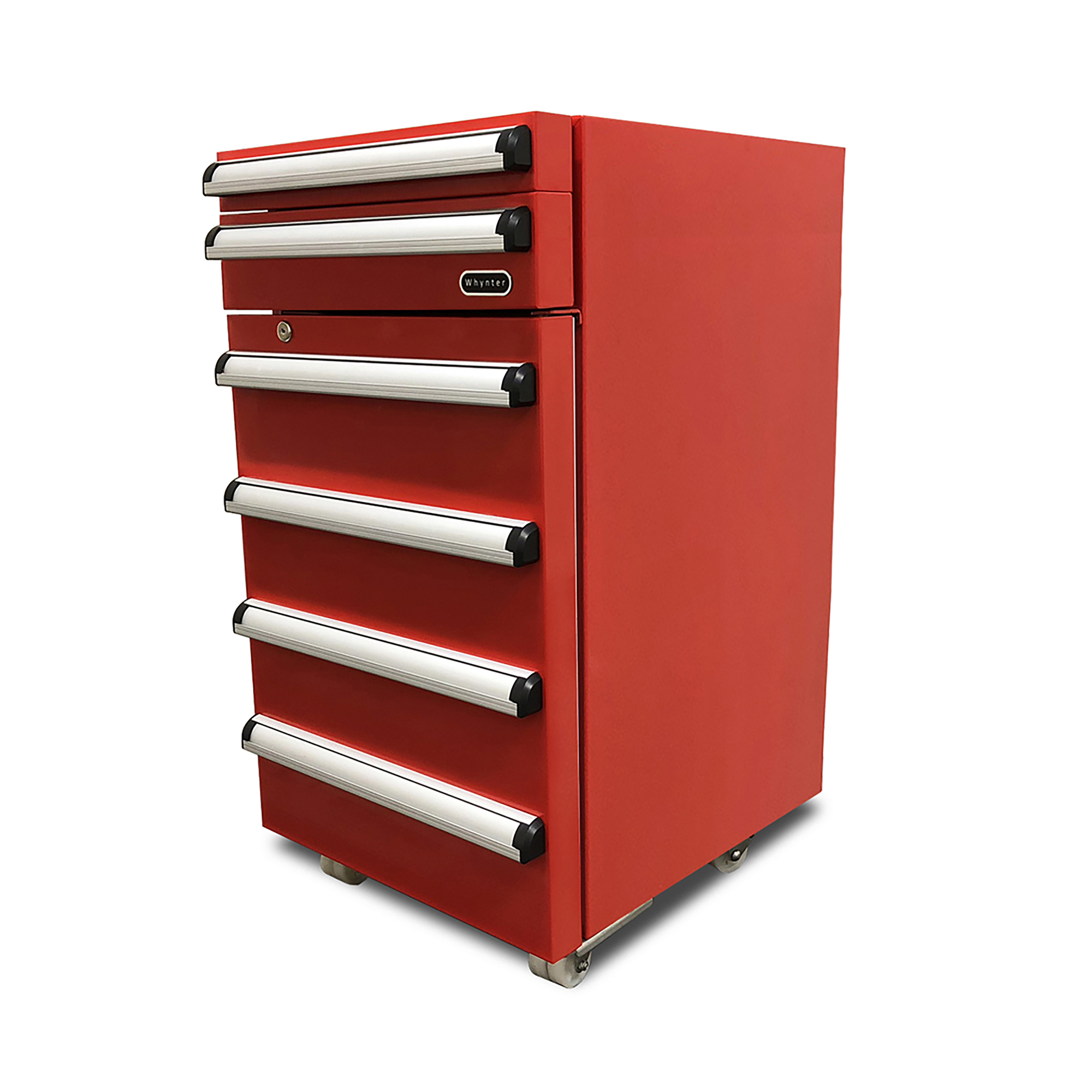
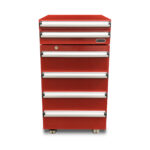
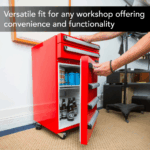
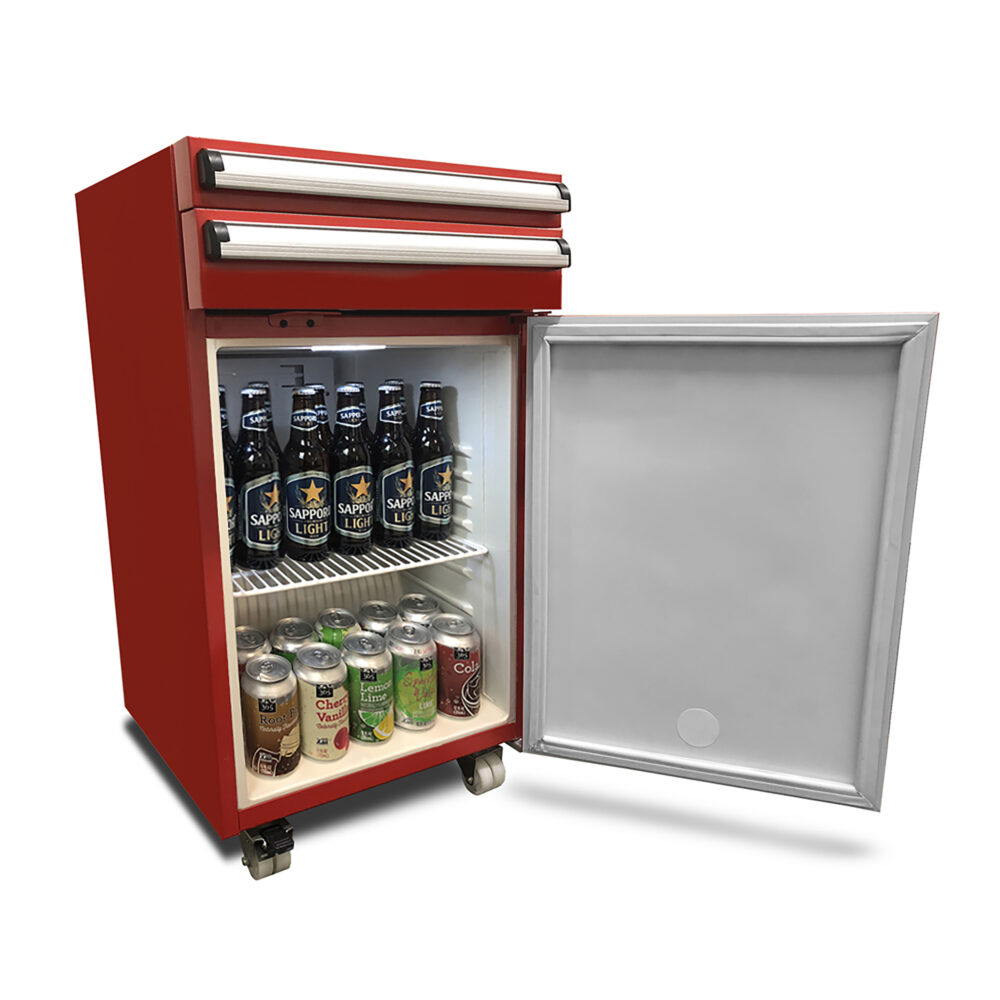
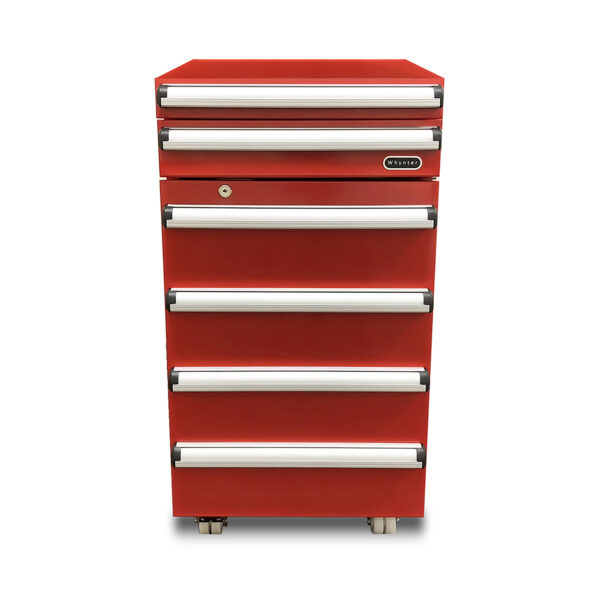
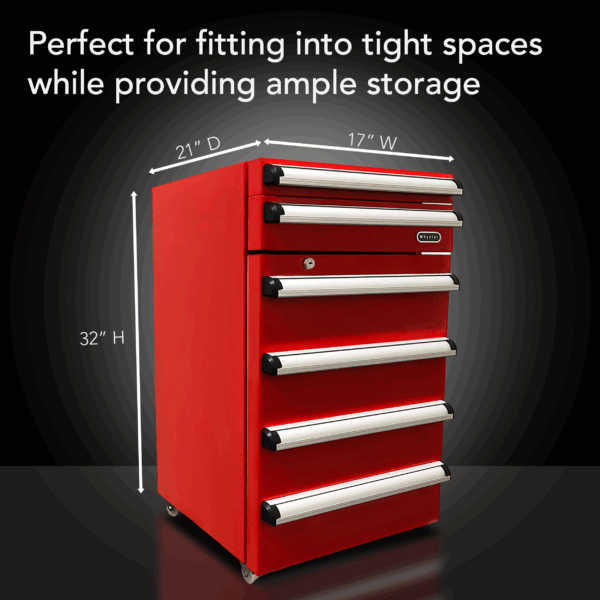
The Whynter TBR-185SR is a portable 1.8 cu. ft. toolbox mini fridge that is designed to be a subtle blend of your garage or workshop. Offering storage, cooling, and, above all, portability, you’ll love the unique design and versatility of this powerful appliance.

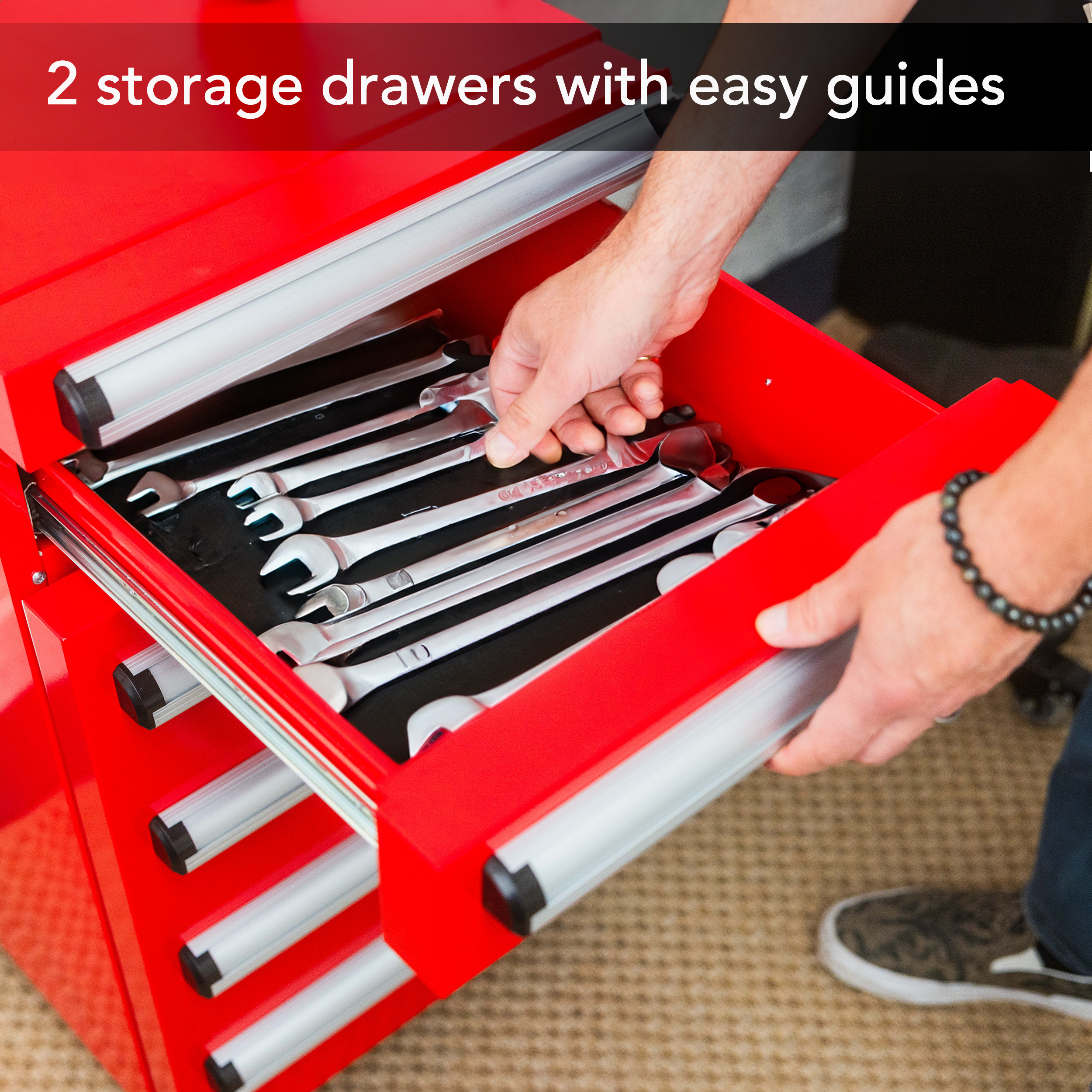
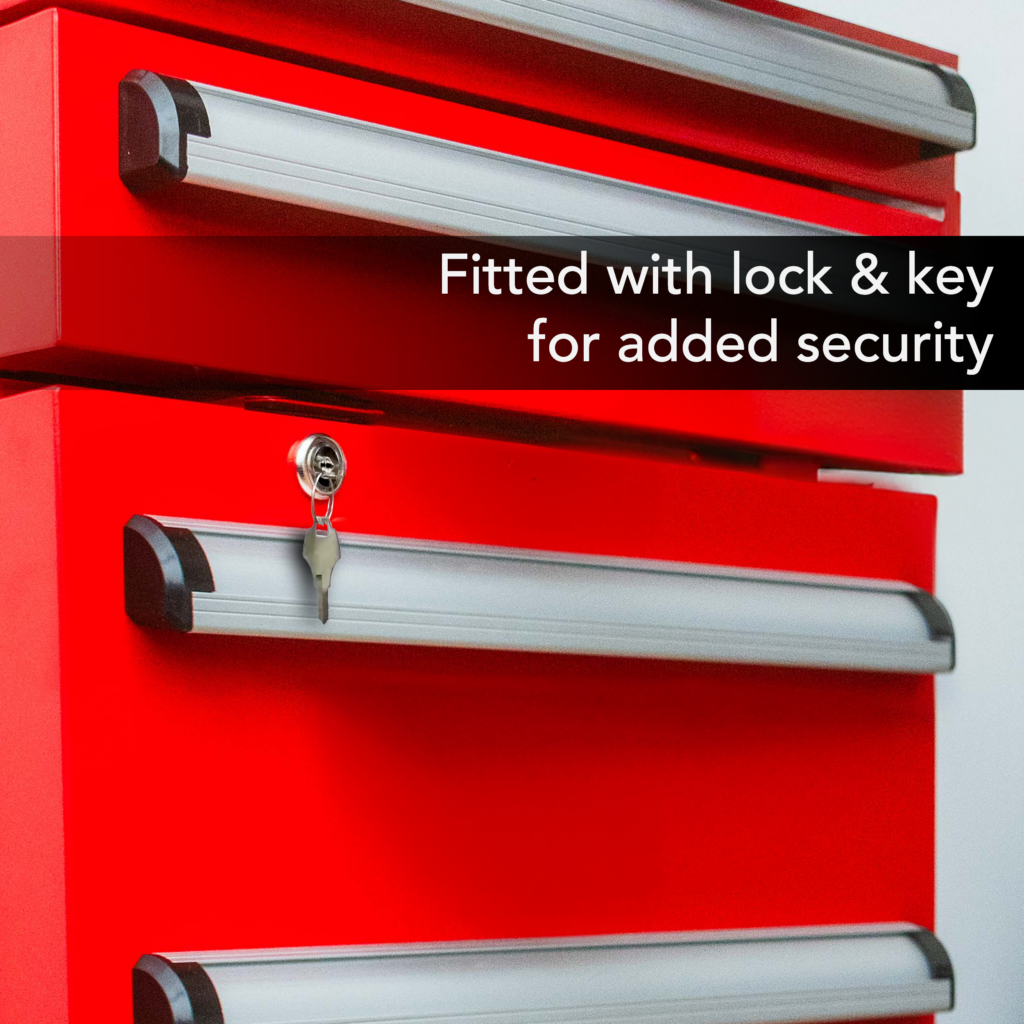
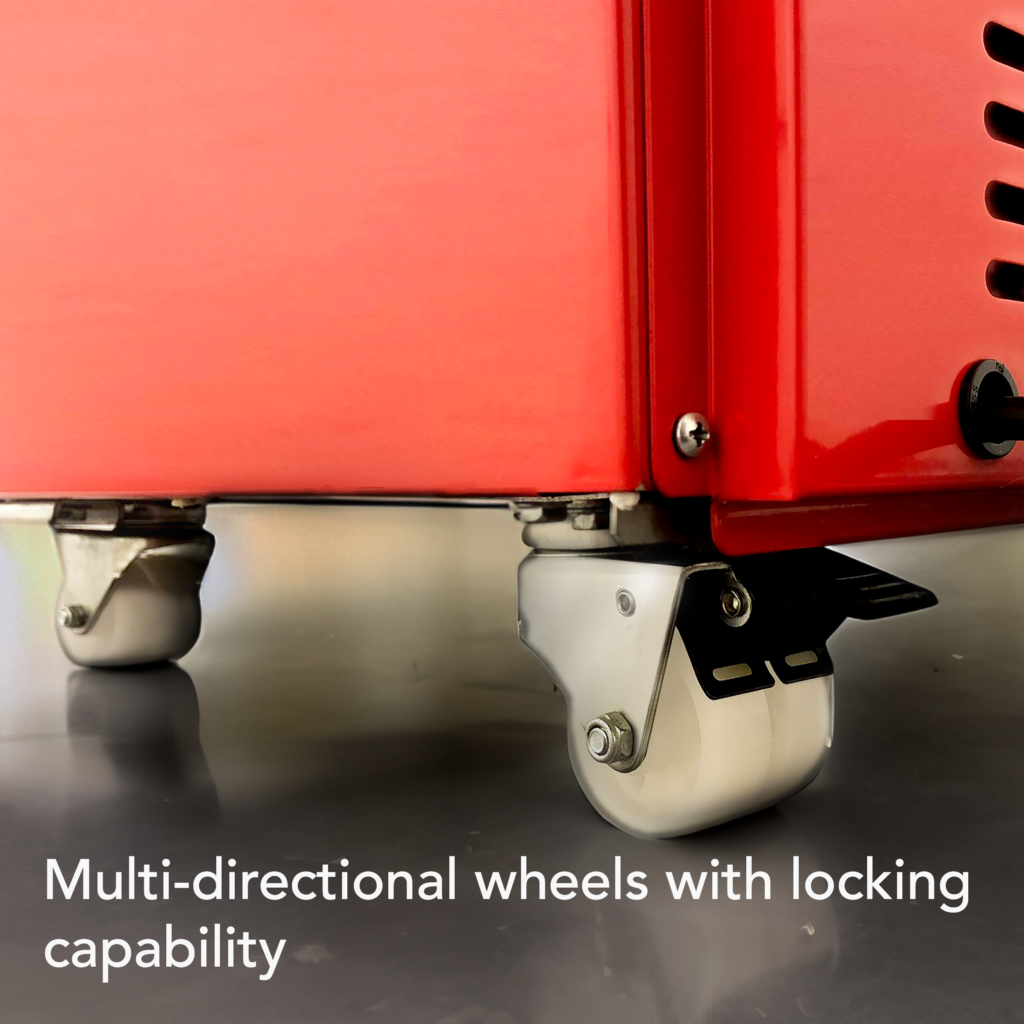
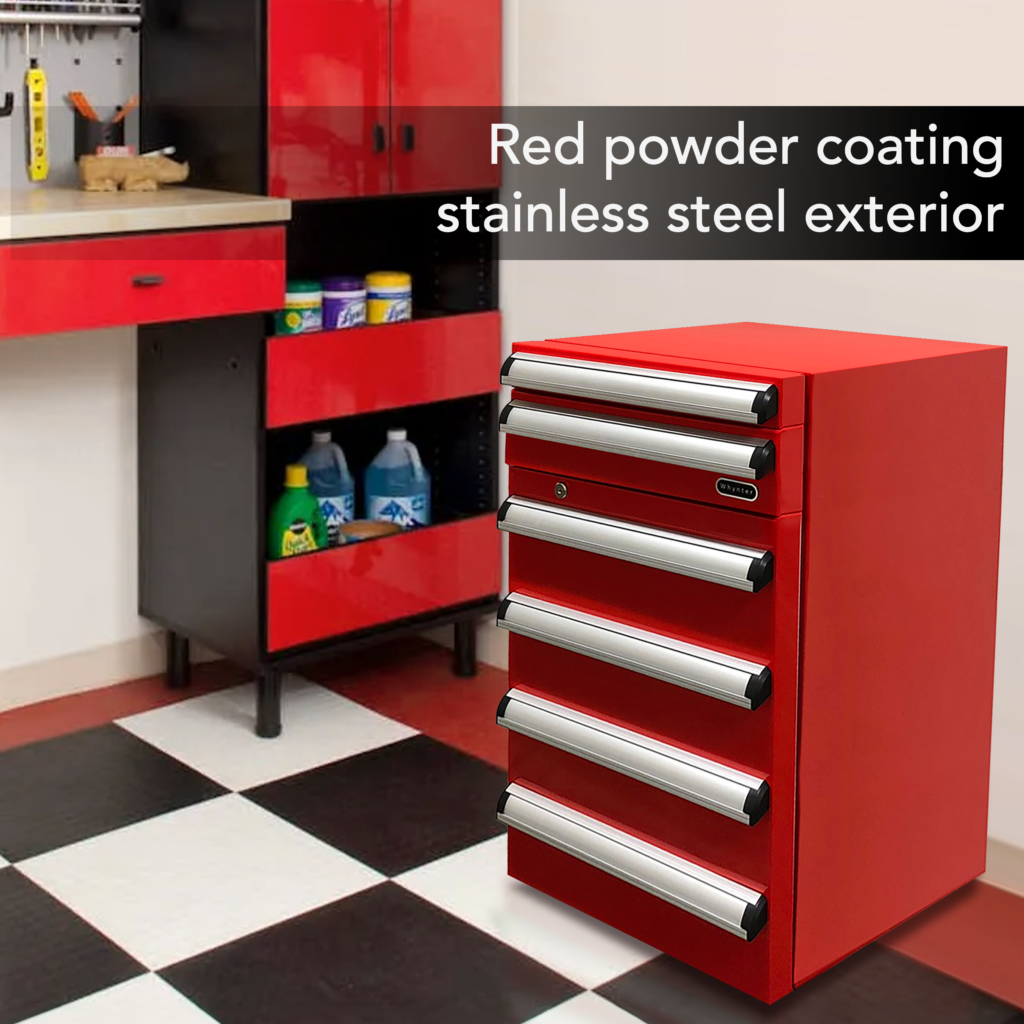
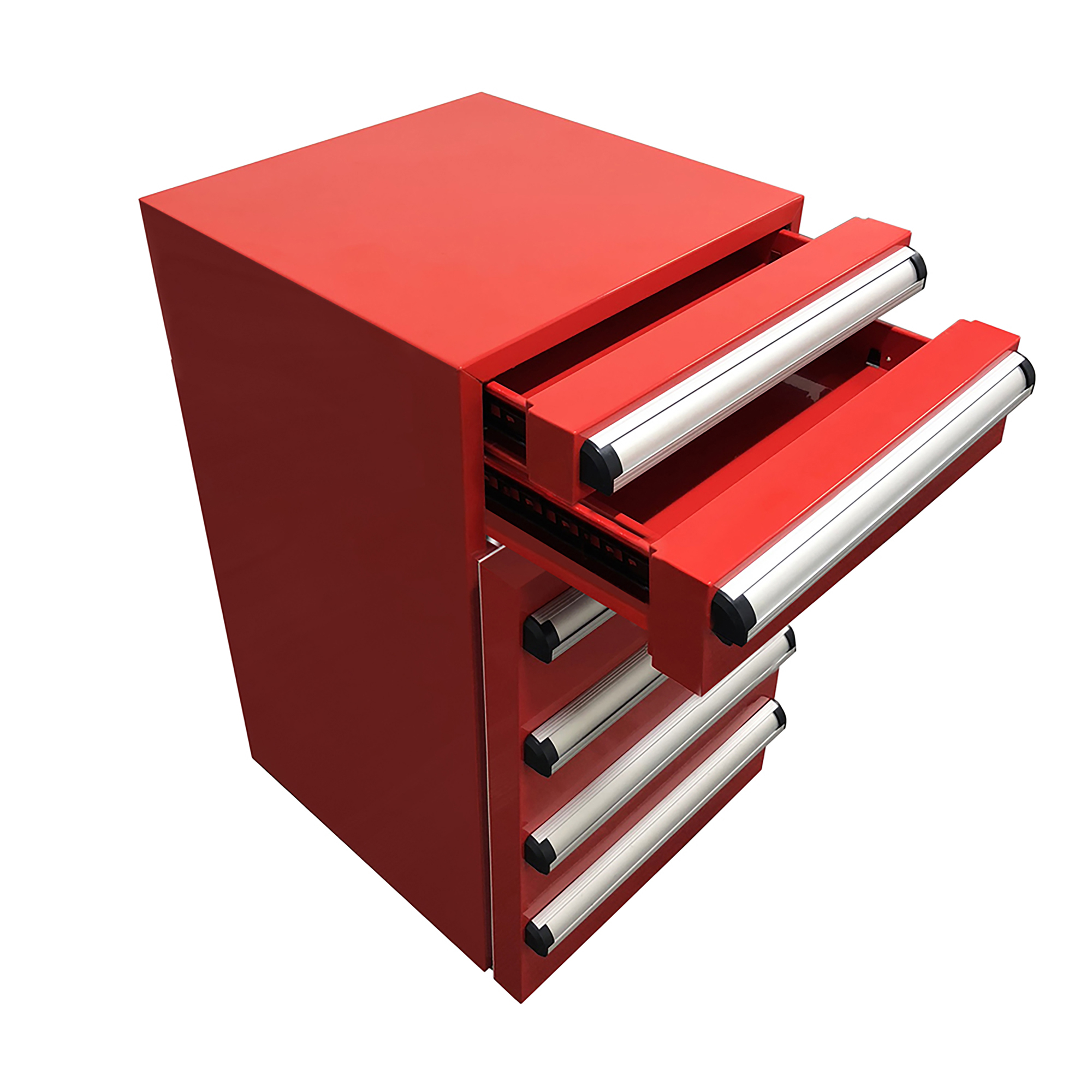
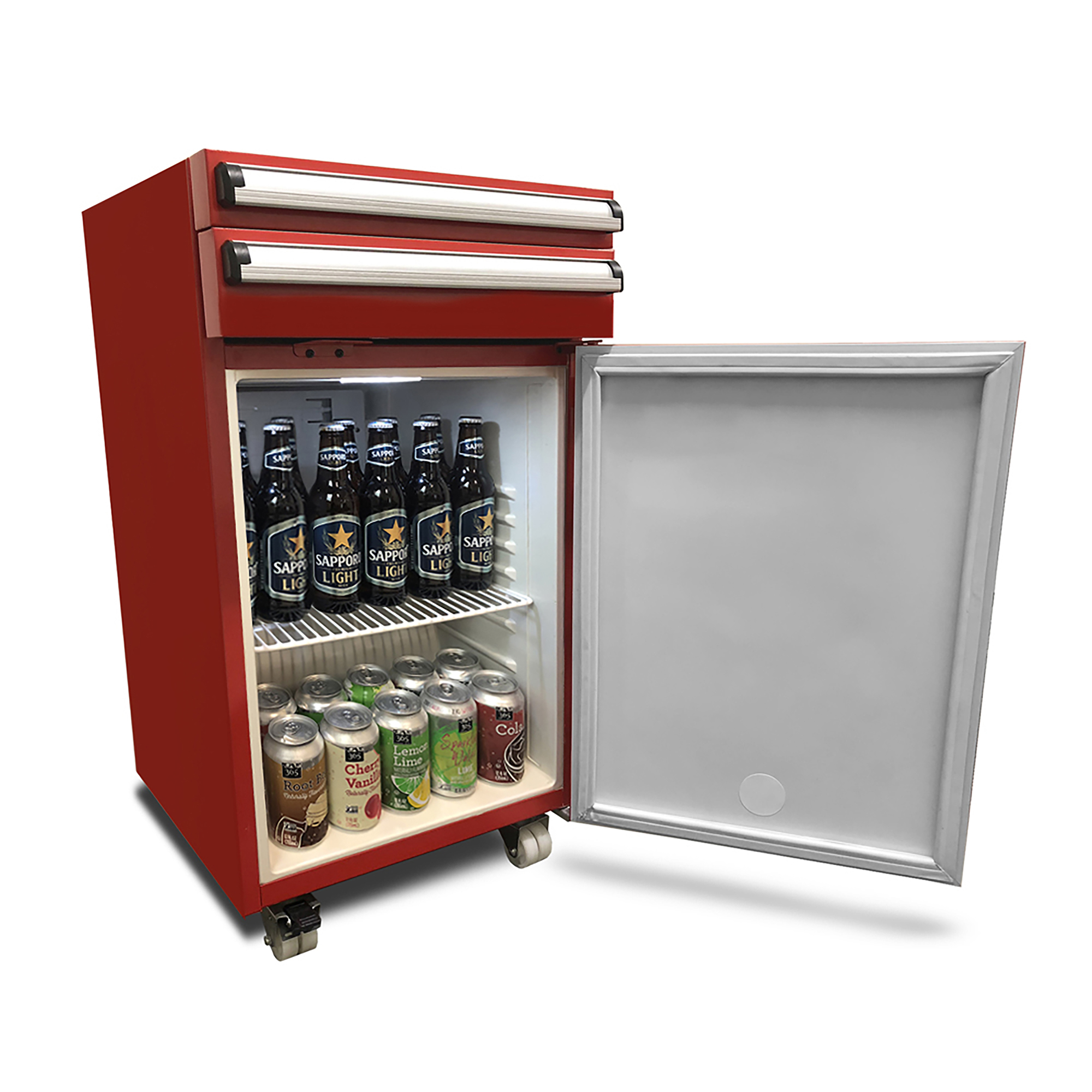
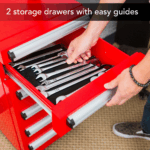
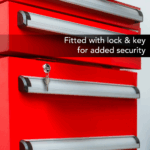
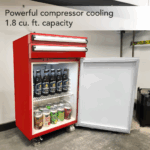
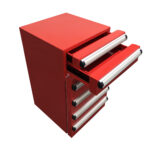
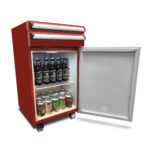
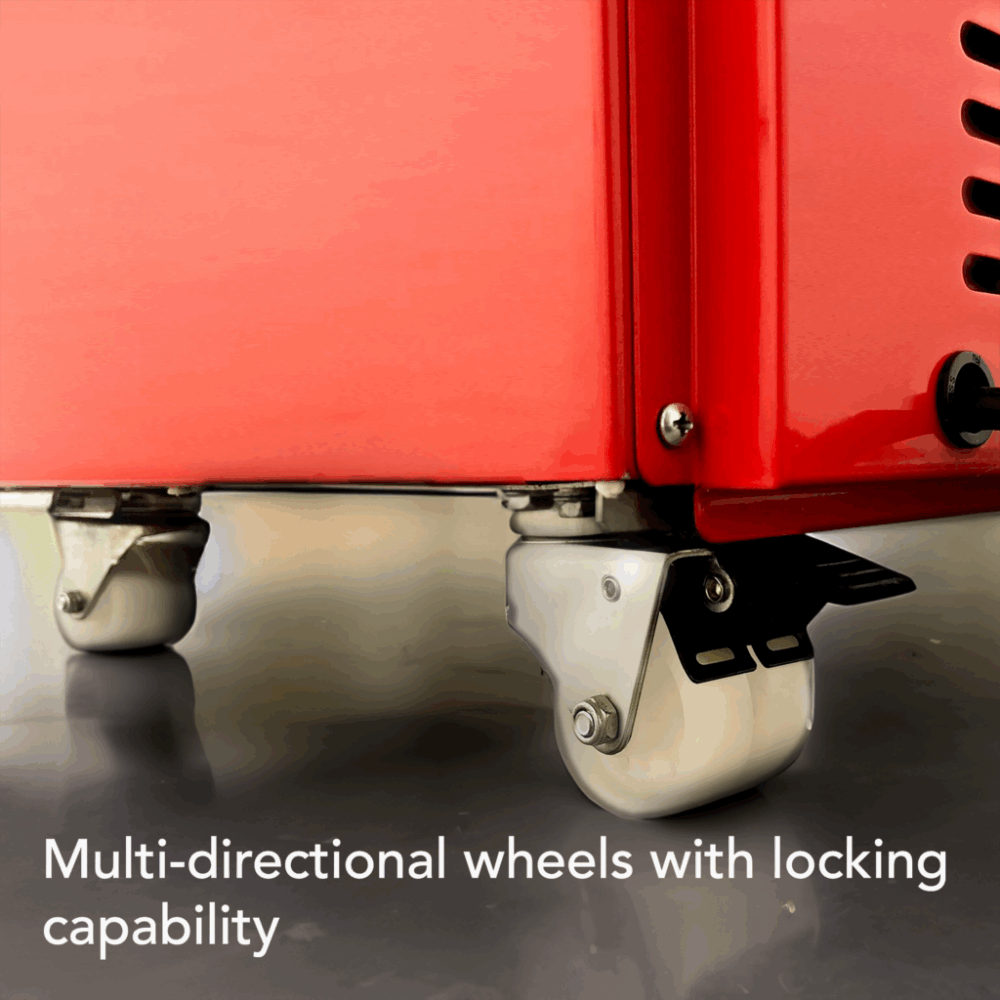
The full stainless steel exterior painted bright red offers a unique design that can blend in with most workshop or garage settings. Internally, the powerful compressor cooling is perfect for keeping beverages and food items cool. Soft interior lighting provides an attractive yet energy-efficient look inside the refrigerator cabinet. You also get two roller-guided metal drawers that easily slide open, providing storage for a wide variety of tools and hardware. This workshop refrigerator includes a lockable door for security and multi-directional casters that also lock when needed. That feature allows you to easily transport or relocate the toolbox mini fridge with ease and lock it for secure stationary use.

Additional information

● Capacity: 1.8 cu. ft.
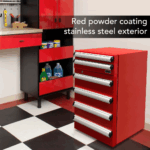
● Powder Coated Red with a Full Stainless Steel Exterior
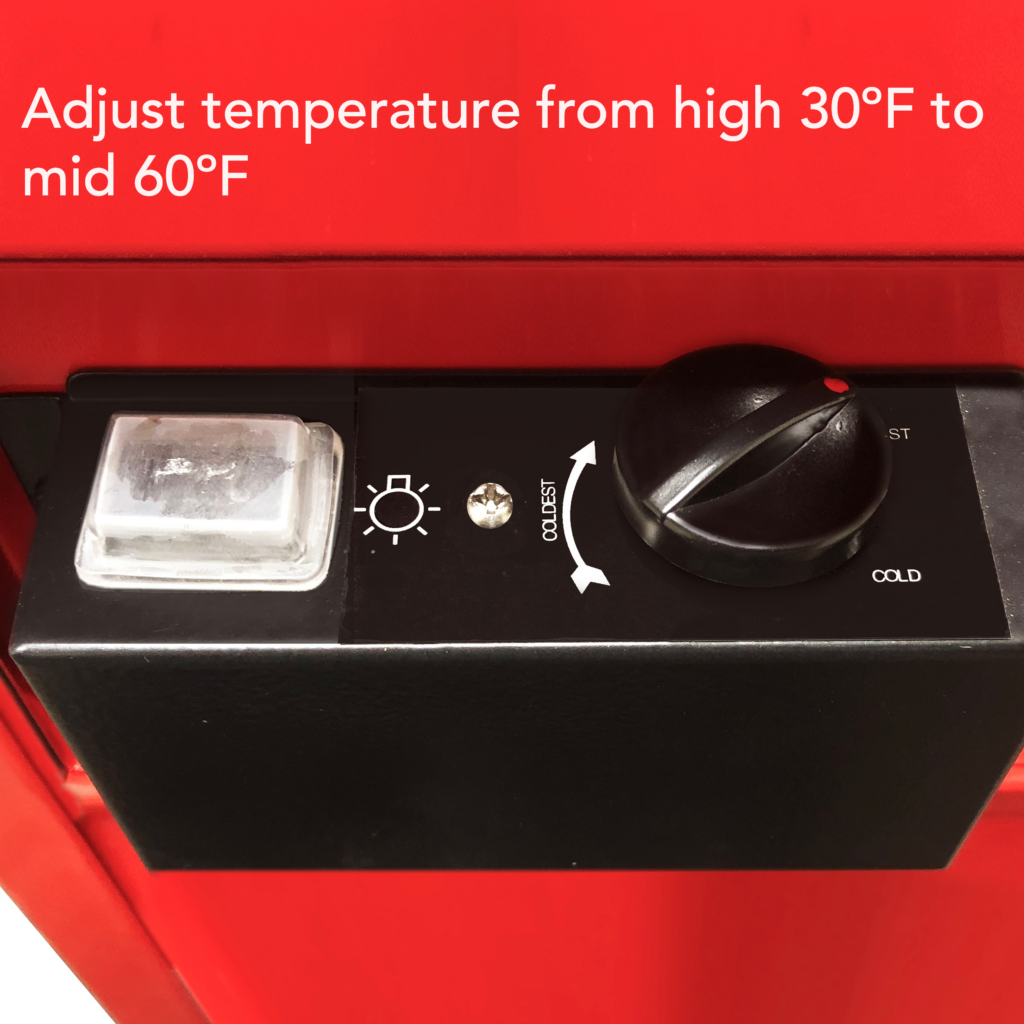
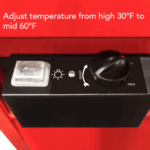
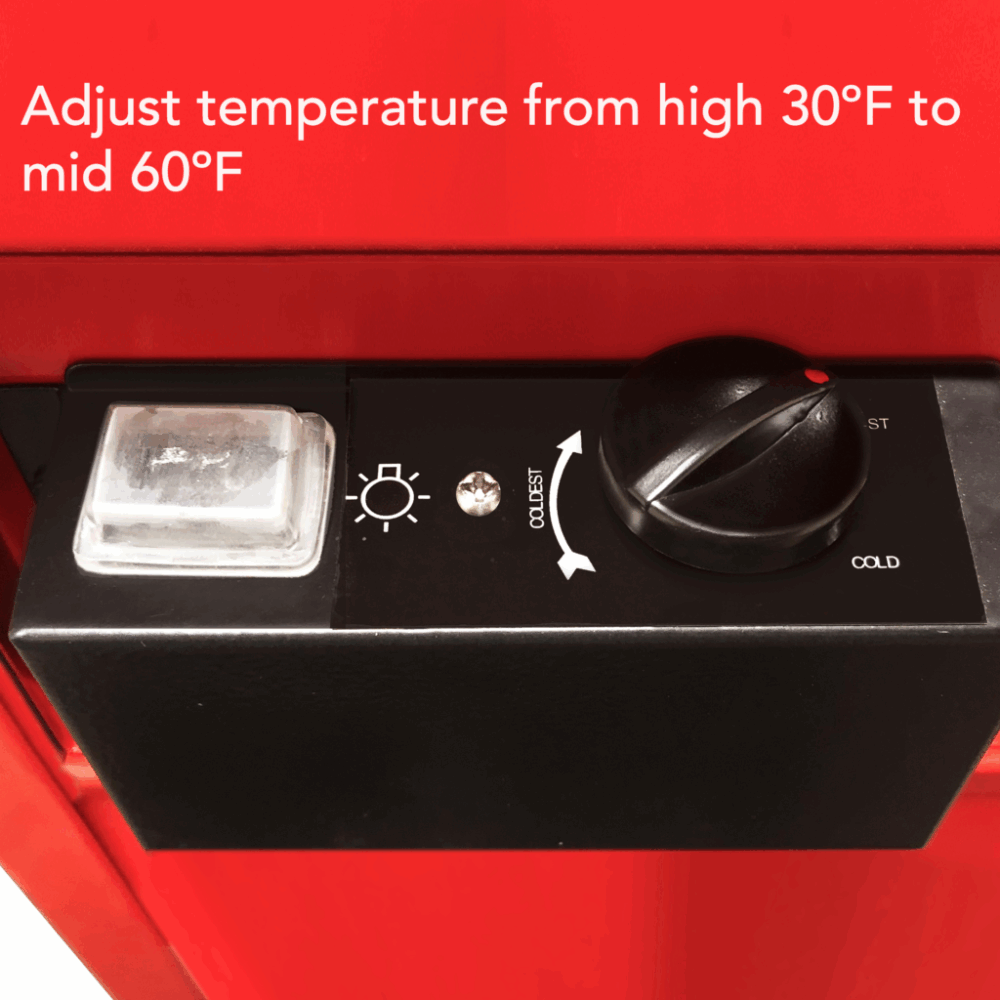
● Mechanical temperature control with temperature range from high 30ºF to mid 60ºF
● Soft interior LED lighting with on/off switch
● Freestanding setup
● Powerful compressor cooling
● Wheel casters for mobility, two of which lock for secure stationary use
● Lock and key set
● One slide-out refrigerator wire shelf
● One roller-guided small drawer
● One roller-guided large drawer
● Internal small drawer dimensions: 14” W x 15.75” D x 1.5” H
● Internal large drawer dimensions: 14” W x 15.75” D x 3.5” H
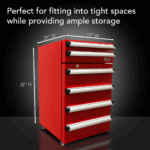
● Product dimensions: 17” W x 21” D x 32” H
● Package dimensions: 24″ D x 21″ W x 34″ H
● Voltage: 115V /60Hz
● Power: 60 watts
● Refrigerant: R600a
● ETL listed
● Net weight: 67.57 lbs
● Gross weight: 83.89 lbs
● UPC 852749006733

*This unit comes with one year limited warranty.

Customer Reviews

Related Products

FAQs

What is the difference between a beverage fridge and a mini fridge?

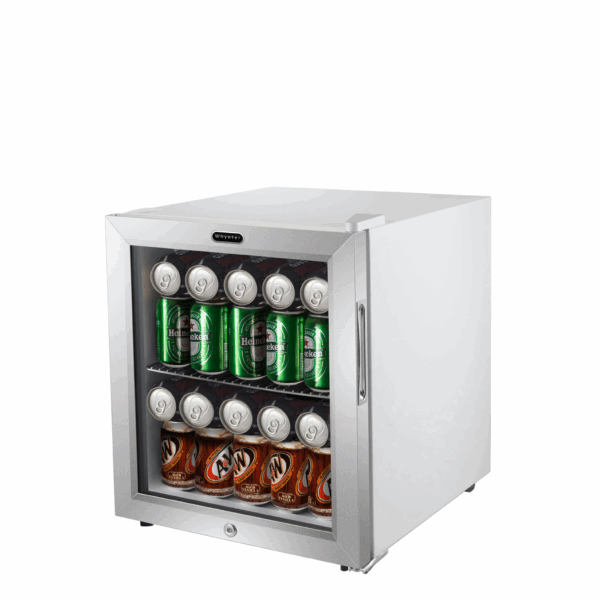
A beverage refrigerator is purpose-built for drinks: a glass door for display, adjustable shelves sized for cans and bottles, precise digital temperature control, and interior LED lighting. A mini fridge is a scaled-down kitchen refrigerator designed for general food storage, usually with a solid door. Because the shelving is designed around cans, a beverage fridge holds far more drinks in the same footprint. If the goal is cold drinks at a glance, choose a beverage fridge.

What is the difference between built-in and freestanding beverage fridges?

Built-in (undercounter) beverage fridges vent through a grille at the front, so they can be installed flush inside cabinetry without side or rear airflow. Freestanding models release heat from the back and sides and need open space around the cabinet. Whynter offers both types; the installation type is listed in each product’s specifications.

Can I use a built-in beverage fridge as freestanding — or a freestanding model as built-in?

One direction works, the other does not. A built-in unit runs fine freestanding because it vents from the front; just leave a few inches of clearance for convenience. A freestanding unit should never be enclosed: its rear-vented heat gets trapped, forcing the compressor to overwork, reducing cooling performance and potentially shortening the life of the unit.

Do I need a single-zone or dual-zone unit?

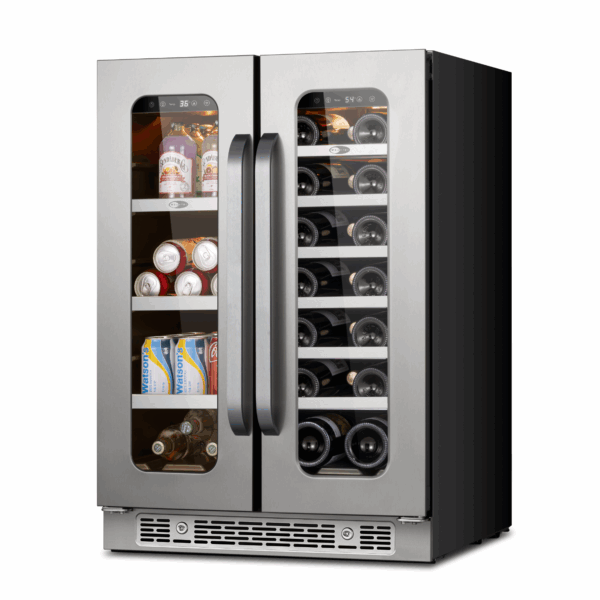
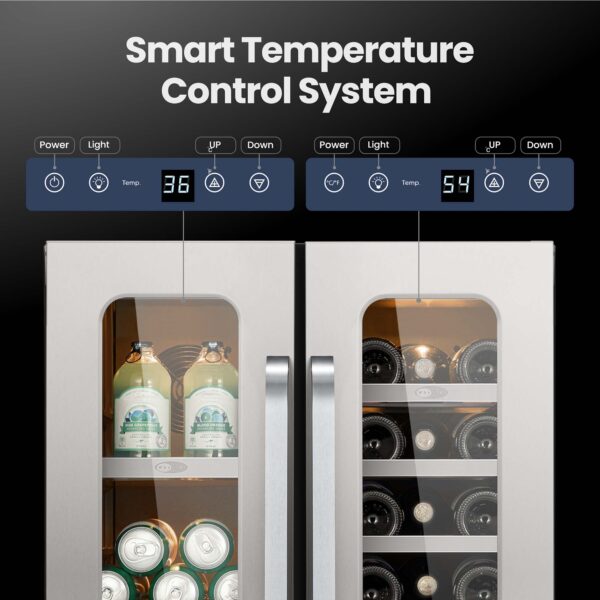
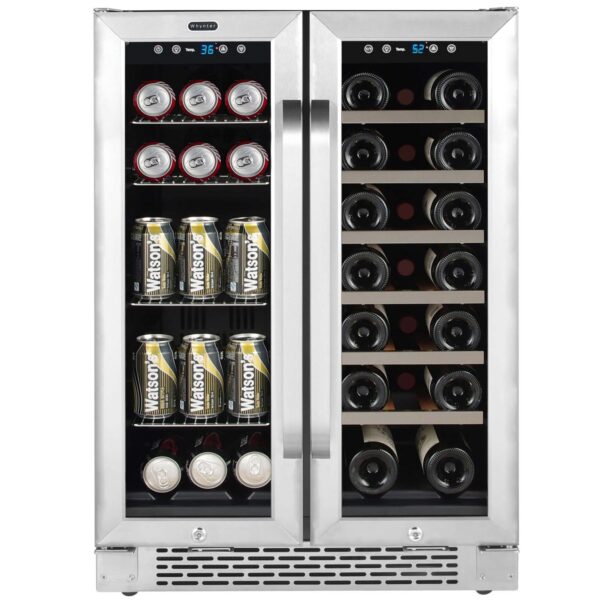
A single-zone beverage fridge keeps the entire cabinet at one temperature, which is ideal when storing one kind of drink — soda, beer, sparkling water. A dual-zone unit has two independently controlled compartments, so you can keep beer in the mid-30s°F while holding wine in the 50s°F. If you plan to mix cans and wine in one cabinet, choose one of Whynter’s dual-zone beverage/wine centers.

How is can capacity measured — and will bottles or taller cans fit?

Rated capacity is based on standard 12 oz. cans with the cabinet filled only with cans. Bottles, 16 oz. cans, and cartons take more room and reduce the total count. The tempered glass shelves can be removed and repositioned to make space for taller containers. As a rule of thumb, plan on roughly two-thirds of the rated can capacity when storing a mix of sizes.

Can I store food in a beverage fridge?

Beverage fridges are intended for sealed drinks and are not designed to replace a refrigerator. Although some Whynter models cool to temperatures as low as 34°F, they do not provide the same food storage environment as a kitchen refrigerator. We recommend using beverage fridges for drinks and using a dedicated refrigerator for perishable foods.

Can I put a beverage fridge in my garage?

Only if the garage stays within the unit’s rated ambient range — roughly 50–90°F for most indoor beverage fridges. In a hot garage, the compressor runs continuously and struggles to hold temperature; in an unheated winter garage, the thermostat may stop cycling properly. Indoor-rated units should not be used outdoors. For covered patios and outdoor kitchens, Whynter offers indoor/outdoor-rated beverage refrigerators built for wider conditions.

What temperature should I set my beverage fridge to?

Set 38–42°F for soda, sparkling water, and mixed drinks storage. Lagers and light beers are best at 35–40°F; ales and stouts at 45–55°F. For ice-cold everything, run the unit near its low end — Whynter beverage refrigerators adjust down to the mid-30s°F. Avoid changing the setpoint frequently; a steady temperature is more efficient and keeps carbonated drinks tasting right.

How much clearance does a beverage fridge need for ventilation?

Built-in models need only a clear front grille — keep it free of dust and don’t block it with baseboards or trim. Freestanding models need at least 4–6 inches of open space at the back and sides so the compressor can shed heat. Exact clearances for each model are listed in its user manual, available on every Whynter product page.

Do the shelves come out?

Yes. Whynter beverage refrigerators use removable, repositionable shelves. Lift a shelf out entirely to fit 2-liter bottles or wine upright, or move it up a notch for 16 oz. and 19.2 oz. cans. Slide-out shelving also makes cleaning the interior easier.

Can the door be reversed?

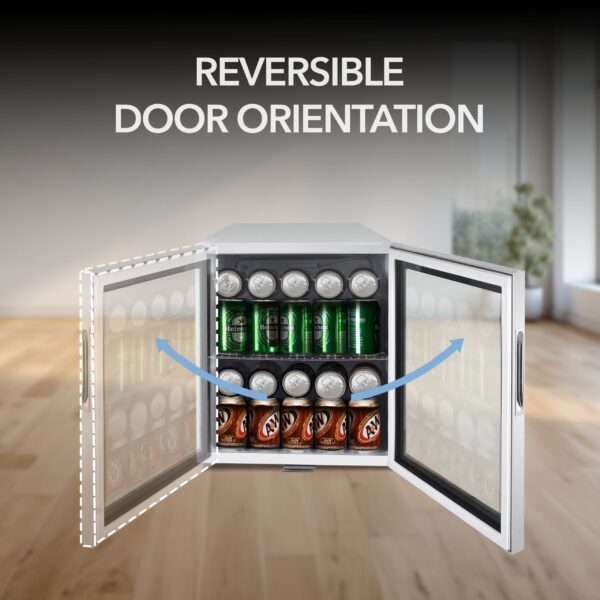
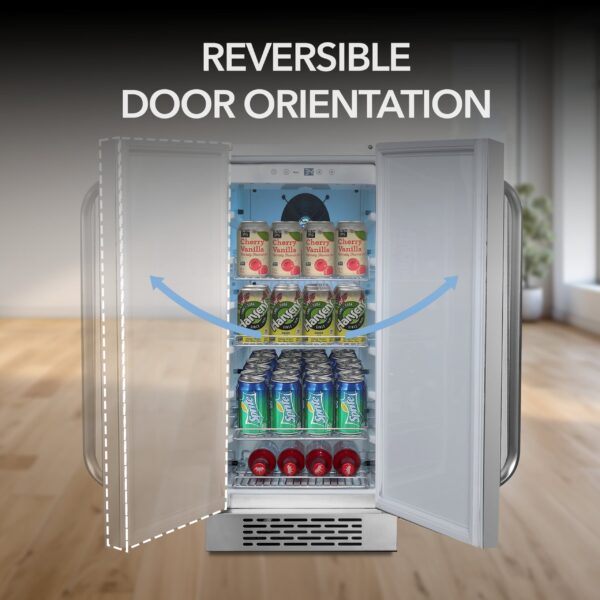
Yes — Whynter’s single-door beverage refrigerators ship with reversible hinges so the door can swing left or right to suit your layout, and the needed hardware is included. Reversal steps are in each model’s user manual. French-door models are the exception, since their double doors open from the center.

How loud is a beverage fridge?

Whynter beverage refrigerators run quietly, under about 40 dB, comparable to a library or soft conversation. You’ll hear a low hum when the compressor cycles on and an occasional gurgle as refrigerant moves; both are normal. Persistent buzzing or rattling usually means the unit isn’t level or is touching a wall or cabinet; releveling typically solves it.

How much electricity does a beverage fridge use?

Not much. A typical compressor beverage fridge draws roughly 85–140 watts while cooling and cycles on and off, working out to around 1 kWh per day; a few dollars per month at average U.S. electricity rates. Actual use depends on cabinet size, setpoint, room temperature, and how often the door is opened. A full cabinet holds cold better than an empty one.

How long does it take to cool down after first plugging it in?

After delivery, let the unit stand upright and unplugged for at least 2 hours (24 hours if it was transported on its side) so the compressor oil settles. Once running, an empty cabinet typically reaches its setpoint within a few hours; a full load of room-temperature cans can take overnight to chill completely. Cooling time also depends on room temperature and door openings.

What does the activated carbon filter do, and how often should I replace it?

The activated carbon filter scrubs odors from the air inside the cabinet, keeping the interior fresh — useful in a glass-door unit that’s opened often and shares space with snacks. Replace the filter about every six months for best results. Replacement filters and part details are available through Whynter product support.

Why is there condensation inside my beverage fridge?

A small amount of moisture is normal, especially in humid weather and on glass-door models. Excessive condensation usually means the door is being opened frequently, the door isn’t sealing fully, or the cabinet is overcrowded and blocking air circulation. Wipe the interior dry, check that the gasket seals evenly on all sides, and confirm the unit is level so the door closes on its own.

What should I check if my beverage fridge isn’t cooling?

Work through this checklist before calling support:

  • Confirm the unit has power, the display is on, and check the setpoint wasn’t changed.
  • Check ventilation — front grille clear on built-ins; 4–6 inches of clearance on freestanding units.
  • Inspect the door gasket for gaps and make sure the unit is level.
  • If you just loaded warm drinks or changed the setting, allow up to 24 hours to stabilize.
  • Vacuum dust from the vent/condenser area.
  • Still warm? Contact Whynter via live chat or the contact page with your model and serial number.
What warranty comes with Whynter beverage refrigerators?

Whynter beverage refrigerators include a one-year limited warranty covering defects in materials and workmanship. Register your product and find full terms on the warranty information page. User manuals are posted on each product page.


Related Posts

The Importance of Global Reforestation: One Tree at a Time

The Critical Role of Trees Global reforestation is vital for maintaining a healthy and balanced ecosystem. Trees absorb carbon dioxide, produce oxygen, support wildlife habitats, and contribute to the overall…

Troubleshooting Common Issues with Whynter Refrigerators

Whynter refrigerators are known for their reliability and efficiency, but like any appliance, they can occasionally run into problems. Addressing these issues promptly can save you from unnecessary stress and…

5 Must-Have Appliances for Party Hosts

Party-Hosting Essentials: The Top 5 Appliances That’ll Make Hosting So Much Easier If you’re planning on throwing a big party, be it a birthday party, graduation party, or another occasion,…

Energy-Saving Tips for Using Whynter Appliances

As energy costs rise and environmental concerns grow, maximizing the efficiency of your home appliances becomes increasingly important. Not only does this practice reduce utility bills, but it also minimizes…
Previous
Next
Select the fields to be shown. Others will be hidden. Drag and drop to rearrange the order.
  • Image
  • SKU
  • Rating
  • Price
  • Stock
  • Availability
  • Add to cart
  • Description
  • Content
  • Weight
  • Dimensions
  • Additional information
Click outside to hide the comparison bar
Compare